

 ALHAMD MOTORS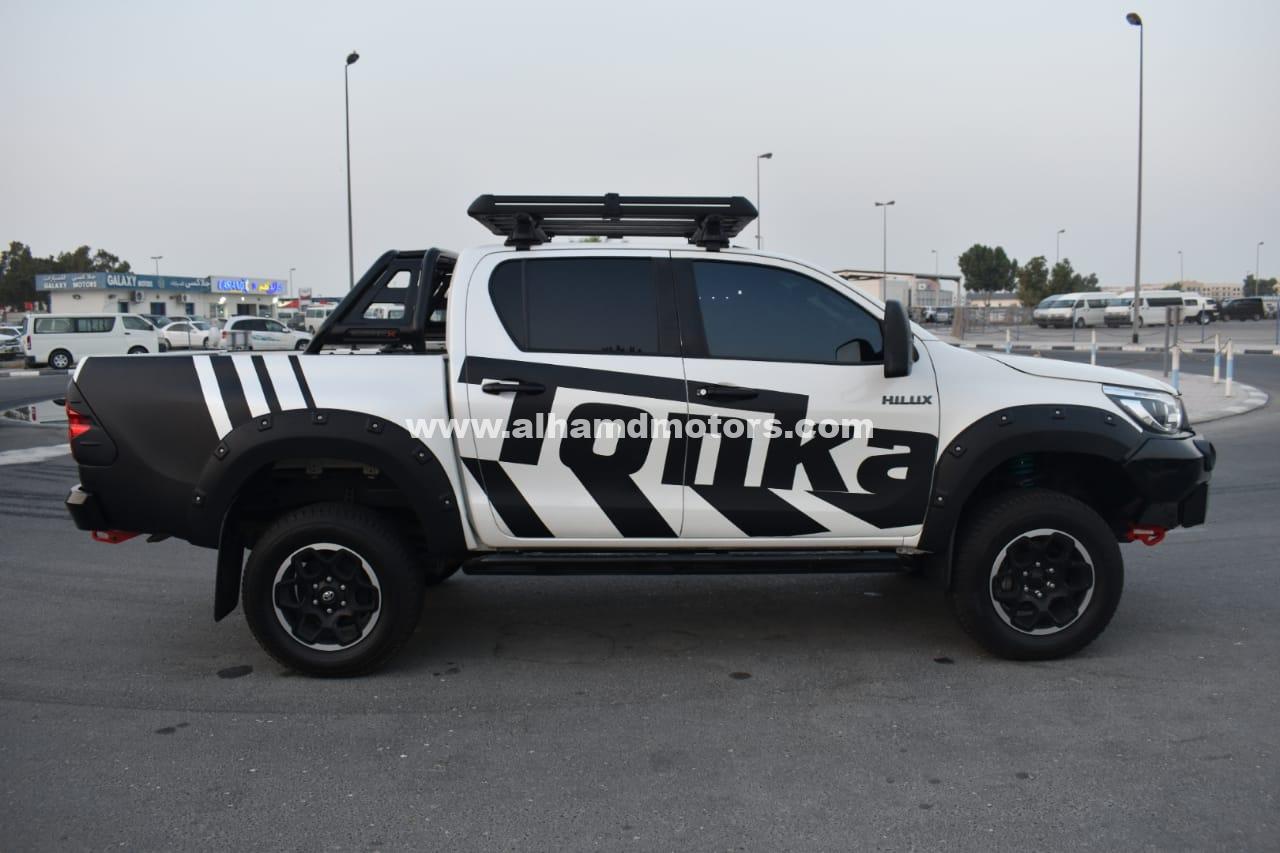
Dubai has long been a hub for exporting high-quality used cars to Africa. Thousands of African buyers rely on Dubai vehicles for affordability, performance, and variety. However, not all Dubai cars perform well on African roads. Some fail prematurely, leaving buyers frustrated, while others become trusted long-term investments.
At Al Hamd Motors, we guide buyers to make smart choices by understanding why some cars fail and how to pick the right one for African conditions.
1. Unsuitable Vehicle for Local Roads
Many cars imported from Dubai are designed for smooth, well-maintained roads. When these cars reach Africa, particularly rural or rough terrains, they often face issues like:
- Damaged suspension systems
- Frequent tire wear
- Undercarriage corrosion
Tip: Choose vehicles like Toyota Land Cruiser, Hilux, or Nissan Patrol, known for durability on rough roads. Our team at Al Hamd Motors evaluates your location and road conditions before recommending a model.
2. Ignoring Climate Compatibilit
Dubai cars are built for desert climates with high temperatures, but some models struggle in Africa’s humid or rainy regions. Problems include:
- Engine overheating
- Electrical failures
- Rust and corrosion in coastal areas
Tip: Ask your exporter or dealer about the car’s GCC specifications and whether it’s tested for humidity, rain, and local weather conditions.
3. Poor Maintenance History
A car’s history is often the biggest reason it fails early. Cars with hidden accidents, skipped servicing, or engine replacements may break down soon after arrival.
Tip: Work with trusted exporters like Al Hamd Motors who provide verified service records, full inspection reports, and detailed vehicle history.
4. Incorrect Vehicle Type for Usage
African buyers often select cars based on looks or brand, not on practical usage. For example:
- Small sedans struggle on unpaved roads
- Luxury sports cars are costly to maintain and repair
- Electric vehicles need reliable charging infrastructure
Tip: Pick a vehicle based on your daily use, terrain, and local availability of parts.
5. Lack of Spare Parts & Service Options
Even a high-quality Dubai car can fail if parts are unavailable locally. Rare European models, imported trims, or certain EV components may require costly imports.
Tip: Always check parts availability in your country. Al Hamd Motors ensures every car we export has accessible parts and maintenance support in Africa.
6. Choosing Cars Only for Price
While Dubai cars are generally affordable, choosing a vehicle solely based on price often leads to long-term losses. Cheaper cars may require frequent repairs, consume more fuel, or depreciate faster.
Tip: Consider total ownership cost, reliability, and resale value, not just the purchase price.
How Al Hamd Motors Helps You Pick the Right Car
- Full Vehicle Inspection: Every car is thoroughly inspected for engine, chassis, and electronics.
- Tailored Recommendations: We match cars to your country, roads, climate, and budget.
- Verified Documentation: Complete service and accident history to avoid surprises.
- Shipping Support: Insurance, customs guidance, and fast, secure delivery to major African ports.
With our guidance, buyers avoid failed imports and select cars that are reliable, durable, and cost-effective.
Final Thought
Not all Dubai cars are suitable for Africa, but with careful selection, research, and a trusted partner like Al Hamd Motors, buyers can avoid failures and enjoy long-lasting performance.
Remember, the right car depends on road conditions, climate, usage, maintenance, and parts availability. By considering these factors, you can make a safe, profitable, and smart car import from Dubai to Africa.


