
 ALHAMD MOTORS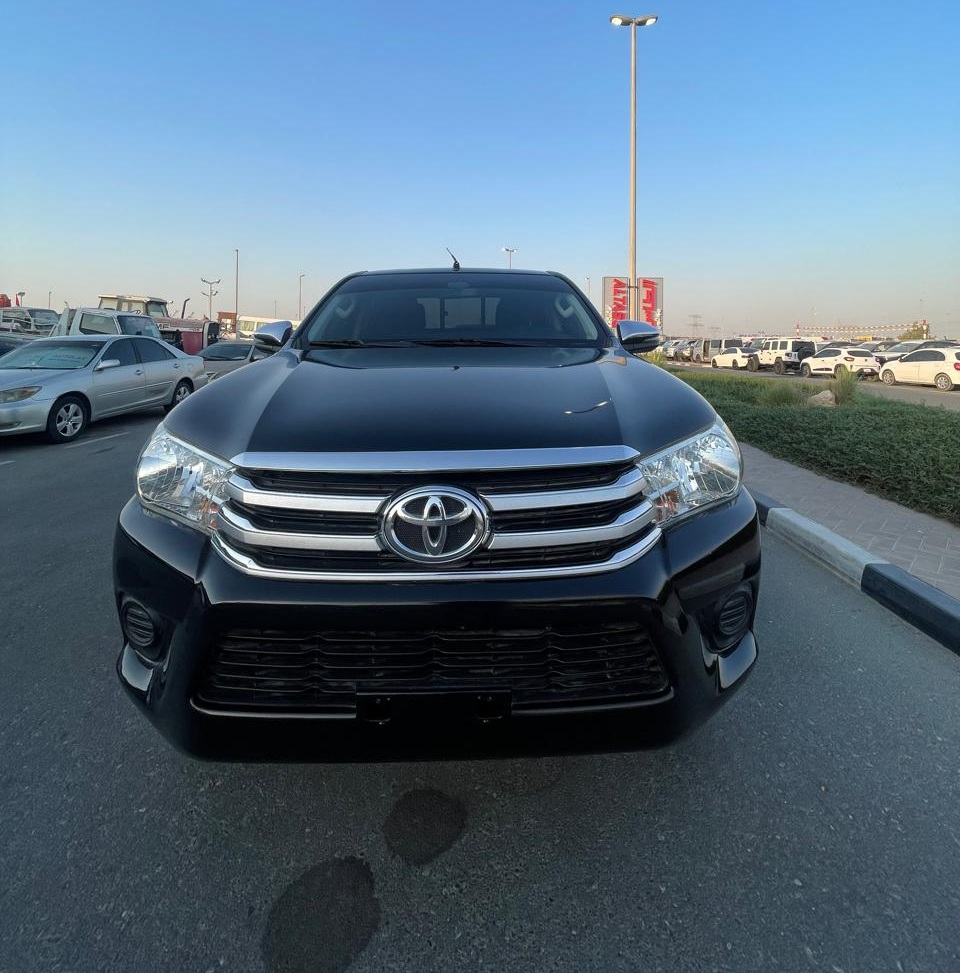
Dubai has become one of the world’s leading destinations for purchasing and exporting high-quality vehicles. Buyers across Africa choose Dubai because of its competitive prices, extensive selection of vehicles, excellent maintenance standards, and efficient export infrastructure. Whether you are importing a single vehicle for personal use or buying multiple vehicles for resale, understanding the required documentation is essential for a successful transaction.
Missing or incorrect paperwork can lead to customs delays, additional charges, or shipment issues. This guide explains the documents required to export a car from Dubai and highlights how Al Hamd Motors helps customers across Africa complete the process smoothly.
Why African Buyers Prefer Dubai
Countries including Kenya, Uganda, Tanzania, Zambia, Zimbabwe, Ghana, Nigeria, Rwanda, and many others continue to source vehicles from Dubai. The UAE market offers a wide range of Toyota, Nissan, Mitsubishi, Lexus, Hyundai, Ford, and commercial vehicles suitable for African road conditions.
Working with an experienced exporter ensures that every legal requirement is handled correctly before your vehicle is shipped.
Essential Documents Required to Export a Car from Dubai
Below are the primary documents needed when exporting a vehicle from Dubai.
1. Original Vehicle Registration Card
The original vehicle registration confirms ownership of the vehicle. Before export, the registration must be cancelled through the UAE authorities.
Without proper registration cancellation, a vehicle cannot legally leave the country.
2. Export Certificate
An export certificate is issued after the vehicle has been deregistered for export.
This document confirms that the vehicle is approved for international shipment and is one of the most important documents required by customs.
3. Commercial Invoice
The commercial invoice contains detailed information, including:
- Vehicle make
- Model
- Manufacturing year
- VIN (Vehicle Identification Number)
- Engine number
- Purchase price
- Buyer information
- Seller information
Customs authorities in African countries use this invoice to calculate import duties and taxes.
4. Bill of Lading
The Bill of Lading is issued by the shipping company after the vehicle has been loaded.
This document serves as proof that the shipping company has received the vehicle and is transporting it to its destination.
Without this document, collecting the vehicle at the destination port is generally not possible.
5. Export Customs Declaration
Before shipment, UAE customs require an export declaration confirming that the vehicle is leaving the country legally.
Professional exporters usually prepare and submit this documentation on behalf of buyers.
6. Passport or Company Documents
Individual buyers normally provide:
- Passport copy
- Contact details
Business buyers may also need:
- Company registration
- Tax information
- Import license (depending on destination country)
7. Certificate of Origin (If Required)
Some African countries request a Certificate of Origin.
This document identifies where the vehicle originated and may be required for customs clearance or preferential trade agreements.
8. Insurance Documents
Marine insurance is optional but highly recommended.
Insurance protects the vehicle during transportation against unexpected damage or loss.
Additional Documents Required by African Countries
Each African country has its own import regulations.
Depending on your destination, you may also need:
- Import permit
- Tax Identification Number
- Customs clearance documents
- Roadworthiness inspection
- Vehicle inspection certificate
- Emissions compliance documents
- Destination port documentation
Before shipping, buyers should always verify the latest import requirements for their country.
Vehicle Inspection Before Export
A professional inspection helps verify:
- Engine condition
- Transmission performance
- Suspension
- Brakes
- Interior condition
- Exterior condition
- Service history
At Al Hamd Motors, every vehicle undergoes careful inspection before shipment, giving international buyers greater confidence in their purchase.
Shipping Options to Africa
Several shipping methods are available depending on your budget and destination.
Roll-on Roll-off (RoRo)
RoRo shipping is often the most affordable option for operational vehicles.
Advantages include:
- Lower shipping costs
- Faster loading
- Suitable for many African ports
Container Shipping
Container shipping provides additional protection during transit.
Benefits include:
- Better security
- Ideal for luxury vehicles
- Suitable for multiple vehicle shipments
- Protection from weather during transportation
Common Mistakes Buyers Should Avoid
Many first-time importers experience delays because of avoidable errors.
Common mistakes include:
- Incorrect buyer information
- Missing export certificate
- Incomplete customs paperwork
- Choosing inexperienced exporters
- Not checking destination country regulations
- Ignoring shipping insurance
- Failing to inspect the vehicle before purchase
Avoiding these mistakes helps reduce delays and unexpected expenses.
Why Choose Al Hamd Motors?
Al Hamd Motors has built a strong reputation as a trusted Dubai vehicle exporter serving customers across Africa and other international markets.
Our team assists buyers through every stage of the export process, from vehicle selection to documentation and shipping.
Our services include:
- Quality inspected vehicles
- Complete export documentation
- Worldwide shipping assistance
- Competitive pricing
- Professional customer support
- Fast processing
- Transparent communication
- Assistance with customs paperwork
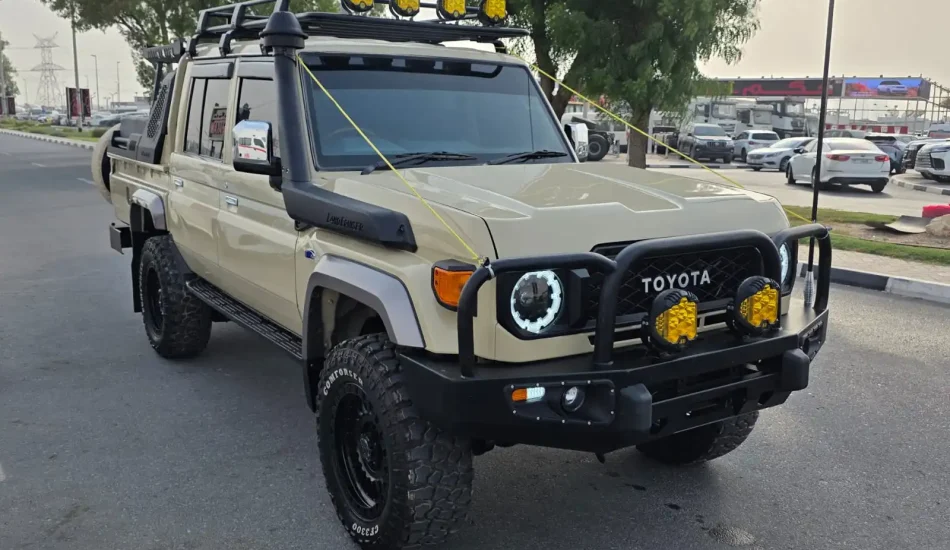
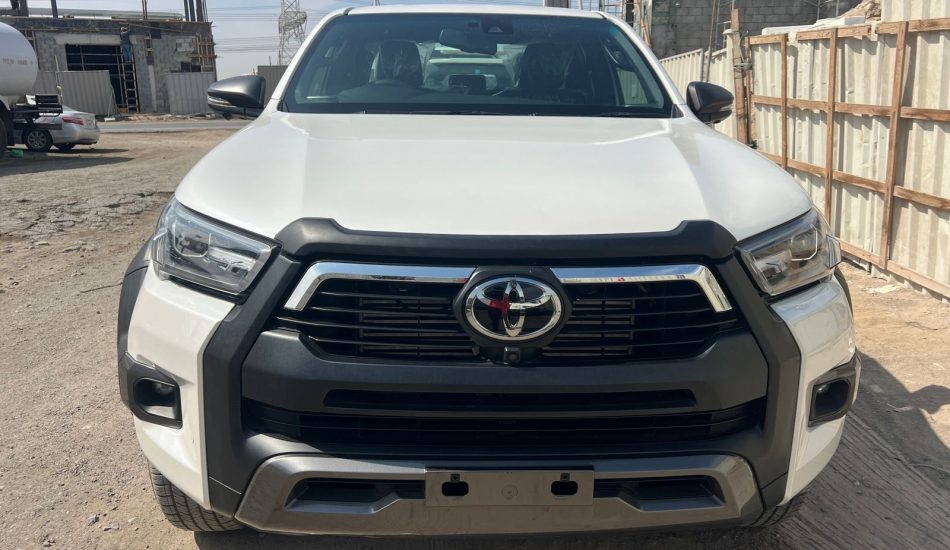
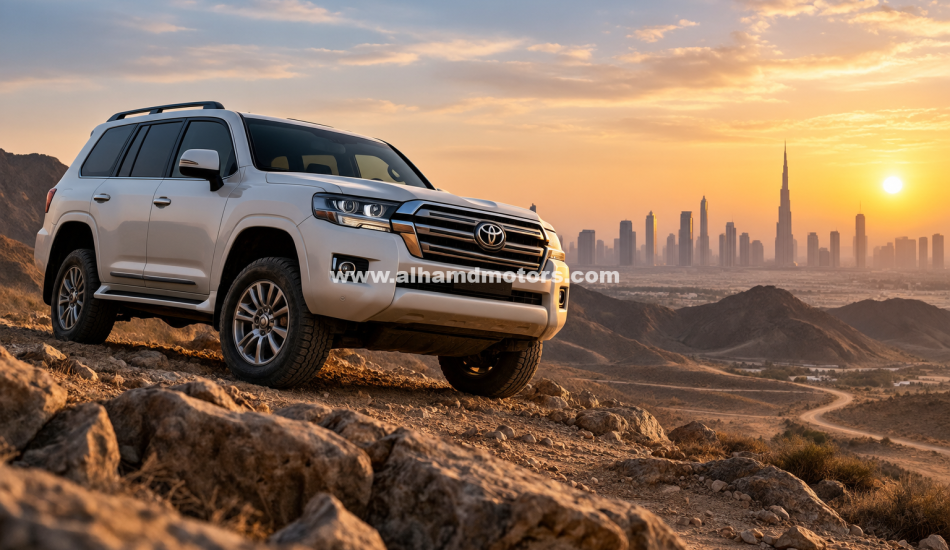
Whether you are purchasing a Toyota Land Cruiser, Hilux, Prado, Hiace, Nissan Patrol, Mitsubishi Pajero, or commercial vehicles, our experienced export specialists help ensure a smooth buying experience.
Tips for Faster Customs Clearance
To avoid delays after your vehicle arrives:
- Ensure all documents match exactly.
- Verify the VIN number on every document.
- Keep digital and printed copies of all paperwork.
- Confirm import regulations before shipment.
- Work with an experienced vehicle exporter.
- Arrange customs clearance before the vessel arrives.
- Keep communication open with your shipping agent.
Frequently Asked Questions
Can I export a used car from Dubai to Africa?
Yes. Dubai exports thousands of used vehicles to African countries every year, provided all export documentation is completed correctly.
How long does vehicle export take?
Processing usually depends on documentation, shipping schedules, and destination country requirements. Many shipments are completed within a few weeks.
Is the Bill of Lading important?
Yes. It is one of the most important shipping documents and is required to receive the vehicle at the destination port.
Does every African country require the same documents?
No. Import regulations differ between countries such as Kenya, Ghana, Nigeria, Tanzania, Uganda, Zambia, and others. Always verify your country’s latest requirements before shipment.
Final Thoughts
Understanding the documents required to export a car from Dubai is the first step toward a smooth and successful vehicle import process. Accurate paperwork helps prevent customs delays, reduces unnecessary costs, and ensures your vehicle reaches its destination without complications.
For buyers across Africa, partnering with an experienced exporter makes the process much easier. Al Hamd Motors provides expert guidance, reliable documentation support, quality inspected vehicles, and professional export services to help customers import vehicles with confidence. Whether you are purchasing a single car or building a dealership inventory, having the correct documentation and a trusted export partner will help make your investment secure and successful.