

 ALHAMD MOTORS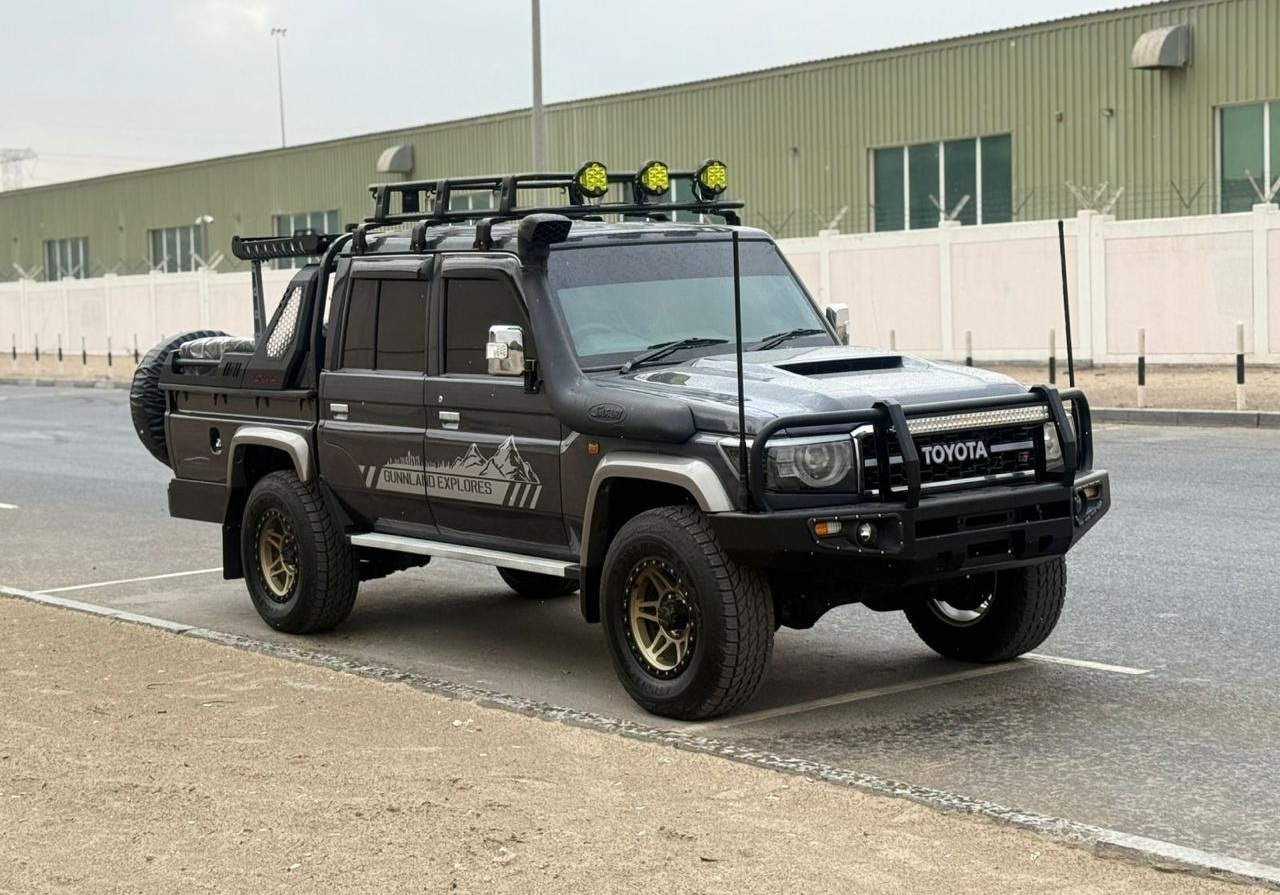
Best Vehicle Types for African Businesses: SUVs, Pickups, Vans or Sedans?
Choosing the right vehicle for a business is about much more than finding a suitable price. Across Africa, companies depend on vehicles for deliveries, employee transportation, construction, agriculture, tourism, logistics, field operations, and customer services. The wrong vehicle can increase fuel expenses, maintenance costs, and downtime, while the right one can become a valuable long-term business asset.
For many African businesses, importing vehicles from Dubai provides access to a broad selection of SUVs, pickups, vans, sedans, and commercial vehicles. Al Hamd Motors provides vehicles for African buyers and international customers, with its current inventory including Toyota, Nissan, Lexus, Suzuki, and other brands in different body styles and specifications.
But which vehicle type is actually best for your business?
The answer depends on your industry, roads, cargo requirements, passenger capacity, budget, and expected usage.
1. SUVs for Businesses That Need Versatility
SUVs are among the most versatile vehicles available to businesses.
They can combine passenger capacity, luggage space, ground clearance, comfort, and long-distance capability in a single vehicle. This makes them suitable for businesses that operate across both urban and rural areas.
SUVs can be useful for:
- Field-service companies
- Tourism operators
- Construction businesses
- Mining-related operations
- Corporate transportation
- Government and NGO projects
- Rural business operations
- Executive transportation
A capable SUV can handle daily city driving while also providing additional flexibility when roads become rough or unpaved.
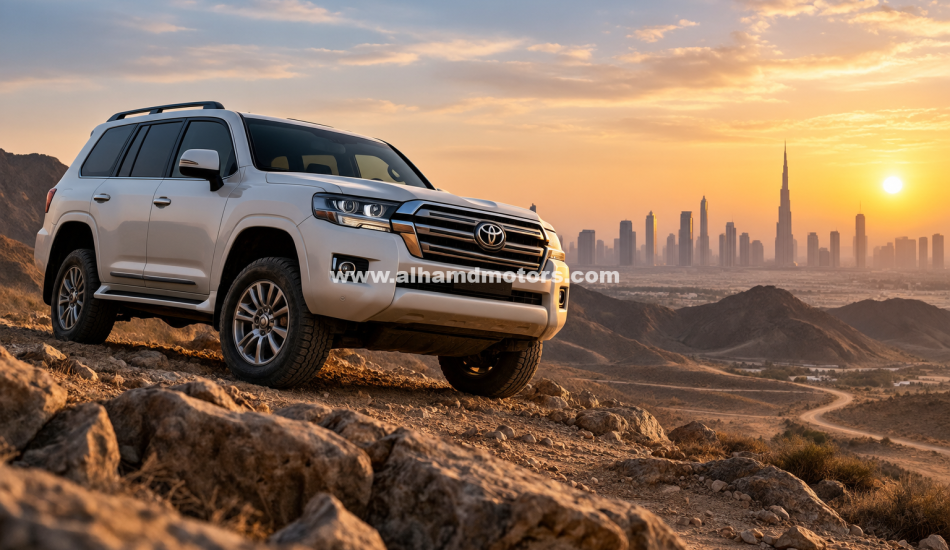
Models such as Toyota Land Cruiser, Toyota Prado, and Nissan SUVs are commonly considered by buyers who need durability and versatility. Al Hamd Motors currently lists several Land Cruiser models and other SUVs for export.
For businesses that need one vehicle to perform several different roles, an SUV can be a practical investment.
2. Pickups for Heavy-Duty Business Work
For businesses that regularly transport equipment, tools, materials, or goods, a pickup truck may be more appropriate than an SUV or sedan.
Pickups provide an open cargo area that can be used for transporting items that would be difficult to fit inside a conventional passenger vehicle.
They are particularly useful for:
- Construction companies
- Agricultural businesses
- Contractors
- Landscaping companies
- Mining operations
- Utility companies
- Delivery businesses
- Field-service teams
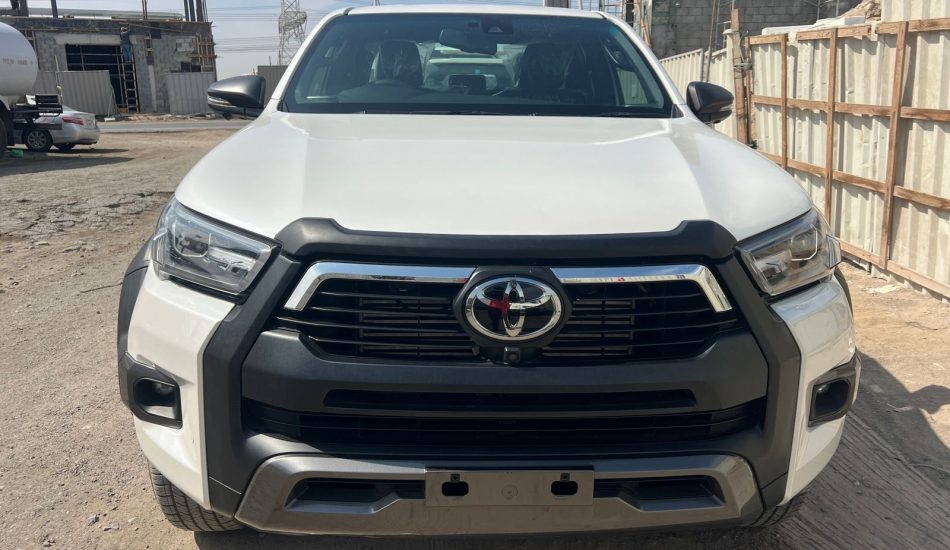
Toyota Hilux and similar pickups are popular choices in many African markets because they offer a combination of passenger capacity and practical cargo capability.
When choosing a pickup, businesses should consider payload capacity, engine type, drivetrain, suspension, fuel consumption, cabin configuration, and availability of replacement parts.
A single-cab pickup may make sense when cargo capacity is the priority, while a double-cab model can be more suitable when employees and equipment need to travel together.
3. Vans for Passenger and Delivery Operations
Businesses transporting people or large quantities of smaller goods may benefit from a van.
A van can provide considerably more usable interior space than a sedan or conventional SUV, making it useful for commercial operations.
Potential applications include:
- Staff transportation
- Hotel transfers
- School transportation
- Courier services
- Retail deliveries
- Passenger transport
- Airport transportation
- Mobile service businesses
The important consideration is selecting the van according to the business’s actual requirements.
A passenger-focused operation may prioritize seating capacity and comfort, while a delivery company may need maximum cargo space.
Businesses should also consider the availability of parts, tire costs, fuel consumption, and local servicing options before purchasing.
4. Sedans for Urban Business Use
Not every business needs an SUV or pickup.
If most driving takes place inside major cities and on paved roads, a sedan can be a cost-effective choice.
Sedans can work well for:
- Sales representatives
- Corporate employees
- Ride-hailing businesses
- Taxi operators
- Customer service teams
- Small businesses
- Administrative staff
Their lower weight and efficient design can make them economical for businesses with high daily mileage.
For companies operating a large fleet, choosing economical sedans can potentially reduce fuel and routine operating expenses across multiple vehicles.
The key is matching the vehicle to the job instead of paying for capabilities the business rarely uses.
5. 4WD Vehicles for Difficult Terrain
Some businesses operate far beyond major city centers.
Agricultural companies, mining operations, infrastructure contractors, humanitarian organizations, and field-service teams may regularly travel on unpaved roads or difficult terrain.
For these businesses, four-wheel drive can be a major advantage.
A 4WD vehicle can provide greater capability when navigating:
- Mud
- Gravel
- Uneven roads
- Steep terrain
- Rural tracks
- Construction sites
- Remote areas
However, 4WD should not automatically be considered necessary for every business.
If a vehicle spends almost all of its time on paved urban roads, a conventional two-wheel-drive vehicle may offer lower purchase and running costs.
6. Consider the Roads Where Your Business Operates
Road conditions should be one of the first factors considered when selecting an imported vehicle.
A vehicle used primarily in Nairobi, Accra, or another major urban center may have very different requirements from one operating in remote agricultural or construction areas.
Before choosing a vehicle, ask:
Where will it spend most of its working life?
If the answer is paved roads, fuel efficiency and passenger comfort may be more important.
If the answer is mixed roads, ground clearance and suspension durability become more significant.
If the answer is demanding off-road terrain, four-wheel drive, strong suspension, suitable tires, and proven durability may be priorities.
7. Think About Total Cost, Not Just Purchase Price
Businesses should avoid choosing a vehicle solely because it has the lowest initial price.
The total cost of ownership can include:
- Purchase price
- Shipping
- Import duties
- Registration
- Fuel
- Insurance
- Servicing
- Tires
- Replacement parts
- Repairs
- Driver costs
- Downtime
A slightly more expensive vehicle may provide better value if it is easier to maintain and has lower operating costs.
This is especially important for businesses where vehicles generate revenue.
If a delivery vehicle is regularly unavailable because of mechanical problems, the cost of downtime can quickly exceed the difference in purchase price.
8. Check Parts and Service Availability
Before importing any vehicle from Dubai, research its support network in your destination country.
Ask whether:
- Local mechanics know the model
- Replacement parts are readily available
- Genuine parts can be sourced
- Tires are commonly available
- Diagnostic equipment is supported
- Authorized service centers exist nearby
Popular models may have an advantage because local workshops are often more familiar with them.
Al Hamd Motors serves buyers across multiple African markets and specializes in international vehicle sourcing and export solutions. Its stated markets include countries such as Kenya, Uganda, Tanzania, Ghana, Nigeria, Zambia, South Africa, and others.
9. Choose the Correct Steering Configuration
Steering configuration is another important consideration when importing a vehicle.
African markets have different regulations regarding right-hand-drive and left-hand-drive vehicles. Buyers should confirm the requirements of their destination country before placing an order.
Al Hamd Motors offers vehicles for different international markets and its inventory allows customers to identify vehicles according to steering configuration.
Checking this before purchase can help prevent costly problems later.
10. Buying Multiple Vehicles for a Business
Businesses purchasing several vehicles should approach the process differently from individual buyers.
A fleet purchase can provide an opportunity to standardize vehicles across the company.
For example, a logistics company might choose the same pickup model for its field teams. A passenger transport company might select a single van model throughout its fleet.
Fleet standardization can simplify:
- Driver training
- Maintenance
- Spare-parts purchasing
- Repairs
- Tire management
- Vehicle replacement
- Fleet administration
Businesses should also discuss bulk purchasing requirements with an experienced exporter.
Al Hamd Motors works with individual customers, dealers, resellers, and fleet buyers, providing vehicle sourcing and international export support.
How to Choose the Right Vehicle for Your Business
A simple decision-making process can make the selection easier.
Choose an SUV if:
You need a comfortable vehicle capable of handling passengers, luggage, city roads, and occasional rough terrain.
Choose a pickup if:
Your business regularly transports equipment, tools, materials, or other heavy loads.
Choose a van if:
Passenger capacity or enclosed cargo space is more important than off-road capability.
Choose a sedan if:
Your employees primarily travel on paved urban roads and fuel economy is a major concern.
Choose a 4WD vehicle if:
Your business regularly operates in remote locations or challenging road conditions.
Why Dubai Can Be a Useful Source for Business Vehicles
Dubai’s automotive market provides international buyers with access to a wide range of new and used vehicles.
For African businesses, this can make it easier to compare different brands, specifications, model years, and vehicle types in one sourcing market.
Al Hamd Motors currently promotes vehicles for export from Dubai to Kenya, Tanzania, Ghana, Uganda, and other African markets, with inventory covering SUVs, pickups, sedans, and other categories.
The company also provides export-related support covering vehicle sourcing, documentation, inspection, and shipping coordination.
Final Thoughts
There is no single vehicle that is perfect for every African business.
The best choice depends on how the vehicle will actually be used. A construction company may need a durable pickup, a tourism business may benefit from an SUV, a passenger transport company may require a van, while a city-based sales team may find a sedan more economical.
Before importing from Dubai, businesses should evaluate road conditions, cargo and passenger requirements, fuel consumption, maintenance, spare-parts availability, steering configuration, import costs, and long-term reliability.
The right vehicle is not necessarily the most expensive or the cheapest. It is the one that performs its intended job reliably while keeping the company’s total operating costs under control.
With access to a broad range of vehicles and international export experience, Al Hamd Motors can help African businesses identify vehicle options suited to their operational requirements and destination markets.

[…] importantly, confirm your country’s current import regulations for different vehicle types before making payment. Rules regarding vehicle age, steering configuration, engine size, emissions, […]