
 ALHAMD MOTORS
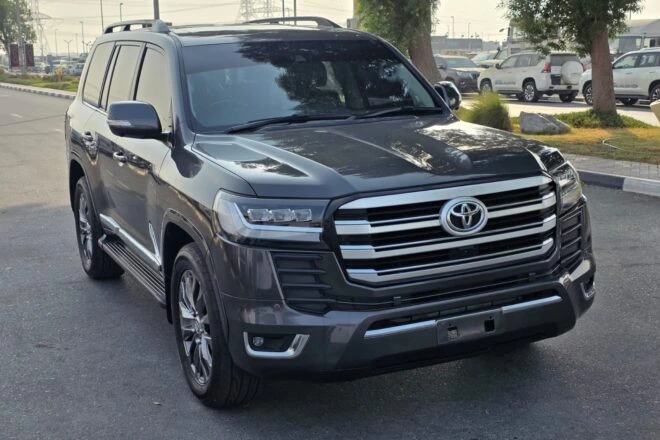
Dubai is one of the leading destinations for international vehicle trading, offering a wide selection of new and used cars for buyers worldwide. Its well-established automotive market, diverse vehicle inventory, and international shipping connections make it an attractive choice for individuals and businesses looking to import vehicles.
However, exporting a car from Dubai involves more than simply purchasing a vehicle and arranging transportation. Buyers and exporters must consider documentation, vehicle condition, import regulations, shipping arrangements, and customs requirements. Overlooking important details can lead to unexpected expenses, shipping delays, or complications at the destination port.
Whether you are exporting a single vehicle or arranging bulk car shipments, understanding common mistakes can help make the process smoother and more cost-effective.
1. Not Researching the Destination Country’s Import Regulations
One of the most common mistakes when exporting cars from Dubai is failing to check the vehicle import regulations of the destination country.
Every country has its own requirements regarding vehicle age, emissions, safety standards, steering configuration, and import eligibility. Some countries restrict the import of older vehicles, while others require specific inspection certificates or compliance documents.
Before purchasing a vehicle, research the import rules of your destination country. Confirm that the car meets all applicable requirements and check whether any additional approvals are necessary.
How to avoid this mistake: Consult the relevant customs authority or a qualified import professional to understand the regulations before finalising your purchase.
2. Ignoring the Vehicle’s Condition and History
A vehicle may look attractive in photographs or during a showroom inspection, but its actual condition could be different. Buying a car without checking its mechanical condition and history can result in expensive repairs after arrival.
Important areas to inspect include:
- Engine and transmission performance
- Mileage and service history
- Accident and repair records
- Exterior and interior condition
- Tyres, brakes, and suspension
- Electrical systems and dashboard warnings
For used vehicles, request available maintenance and inspection records. A professional inspection can help identify problems that may not be immediately visible.
How to avoid this mistake: Arrange a thorough vehicle inspection before making payment. Never rely entirely on photographs or verbal assurances from a seller.
3. Choosing a Vehicle Without Calculating the Total Cost
Another mistake is focusing only on the vehicle’s purchase price. The total cost of exporting a car from Dubai can include several additional expenses.
Depending on the destination and shipping arrangements, these may include:
- Vehicle purchase price
- Export documentation and processing
- Inland transportation
- Port and handling charges
- International shipping fees
- Marine insurance
- Import duties and taxes
- Customs clearance and destination charges
These expenses can significantly affect the final cost of importing a vehicle.
How to avoid this mistake: Prepare a complete cost estimate before purchasing. Ask for a breakdown of the expected charges and account for possible additional expenses at the destination.
4. Submitting Incomplete or Incorrect Export Documents
Documentation is an essential part of international vehicle trading. Missing, incorrect, or inconsistent paperwork can delay export processing, shipping, or customs clearance.
Depending on the transaction and destination requirements, documents may include:
- Vehicle purchase invoice
- Vehicle ownership or registration documents
- Export certificate
- Bill of lading
- Customs declaration
- Identification and company documents, where applicable
Requirements can vary depending on the destination country, vehicle type, and export arrangement.
How to avoid this mistake: Confirm the required documents before shipping. Check that the vehicle details, chassis number, ownership information, and other relevant information are consistent across the paperwork.
5. Selecting the Wrong Shipping Method
Choosing an unsuitable shipping method can increase transportation costs or create unnecessary logistical difficulties. Two commonly used methods for international vehicle transportation are Roll-on/Roll-off (Ro-Ro) and container shipping.
Ro-Ro shipping involves driving vehicles onto specialised vessels designed for transporting cars. Container shipping involves securing vehicles inside shipping containers.
Each method has different costs, handling arrangements, and suitability depending on the vehicle and destination.
How to avoid this mistake: Compare both options based on your budget, vehicle type, destination port, and shipping requirements. Consider insurance and vehicle protection when making your decision.
6. Overlooking Shipping Insurance
International transportation involves potential risks, including handling damage, accidents, and unforeseen shipping incidents. Some exporters make the mistake of assuming that the shipping arrangement automatically provides sufficient insurance coverage.
Without appropriate protection, recovering financial losses may become difficult if a covered incident occurs during transit.
How to avoid this mistake: Review the available marine insurance options before shipment. Understand the coverage limits, exclusions, claim procedures, and responsibilities of the parties involved.
7. Working with an Unreliable Export Partner
Choosing an export company based only on the lowest quoted price can create problems. Poor communication, unclear charges, inadequate documentation support, and unreliable shipping coordination can complicate the entire process.
A dependable export partner should provide clear information about the vehicle, costs, paperwork, shipping arrangements, and expected timelines.
How to avoid this mistake: Research the company’s experience, reputation, services, and communication practices. Request written quotations and clarify responsibilities before proceeding.
8. Not Planning for Customs Clearance in Advance
Exporting a vehicle from Dubai does not automatically mean it can enter the destination country without further procedures. Importers must comply with local customs requirements and pay applicable duties, taxes, and other charges.
Failing to prepare for destination customs clearance can result in delays, storage expenses, or additional administrative complications.
How to avoid this mistake: Understand the destination country’s customs procedures before shipping. Confirm the required paperwork, applicable charges, inspection requirements, and clearance process with the relevant authorities or a qualified customs professional.
9. Failing to Plan for Delivery and Logistics
Some buyers focus entirely on purchasing and shipping the vehicle but overlook what happens after it reaches the destination port. Port collection, customs clearance, local transportation, and final delivery all require proper coordination.
Without a clear delivery plan, the vehicle may remain at the port longer than expected, potentially increasing storage and handling costs.
How to avoid this mistake: Arrange destination-side logistics in advance. Confirm who will handle customs clearance, collect the vehicle, and organise transportation to its final location.
Conclusion: Make Your Car Export Process Smoother with Al Hamd Motors
Exporting a car from Dubai can be a straightforward experience when every stage is planned carefully. Researching import regulations, inspecting vehicles, calculating the complete cost, preparing accurate documents, selecting suitable shipping, and arranging customs clearance can help prevent common problems.
Whether you are an individual buyer, an international car dealer, or a business looking for bulk vehicle supplies, working with an experienced automotive export partner can make a difference.
Al Hamd Motors supports international vehicle buyers with car export services from Dubai, used and new car sales, customs clearance assistance, vehicle customization, and fleet and bulk car supply. If you are planning to export vehicles from Dubai, contact Al Hamd Motors at +971 4 333 8845 to discuss your requirements and explore the available services.
Dubai is one of the leading destinations for international vehicle trading, offering a wide selection of new and used cars for buyers worldwide. Its well-established automotive market, diverse vehicle inventory, and international shipping connections make it an attractive choice for individuals and businesses looking to import vehicles.
However, exporting a car from Dubai involves more than simply purchasing a vehicle and arranging transportation. Buyers and exporters must consider documentation, vehicle condition, import regulations, shipping arrangements, and customs requirements. Overlooking important details can lead to unexpected expenses, shipping delays, or complications at the destination port.
Whether you are exporting a single vehicle or arranging bulk car shipments, understanding common mistakes can help make the process smoother and more cost-effective.
1. Not Researching the Destination Country’s Import Regulations
One of the most common mistakes when exporting cars from Dubai is failing to check the vehicle import regulations of the destination country.
Every country has its own requirements regarding vehicle age, emissions, safety standards, steering configuration, and import eligibility. Some countries restrict the import of older vehicles, while others require specific inspection certificates or compliance documents.
Before purchasing a vehicle, research the import rules of your destination country. Confirm that the car meets all applicable requirements and check whether any additional approvals are necessary.
How to avoid this mistake: Consult the relevant customs authority or a qualified import professional to understand the regulations before finalising your purchase.
2. Ignoring the Vehicle’s Condition and History
A vehicle may look attractive in photographs or during a showroom inspection, but its actual condition could be different. Buying a car without checking its mechanical condition and history can result in expensive repairs after arrival.
Important areas to inspect include:
- Engine and transmission performance
- Mileage and service history
- Accident and repair records
- Exterior and interior condition
- Tyres, brakes, and suspension
- Electrical systems and dashboard warnings
For used vehicles, request available maintenance and inspection records. A professional inspection can help identify problems that may not be immediately visible.
How to avoid this mistake: Arrange a thorough vehicle inspection before making payment. Never rely entirely on photographs or verbal assurances from a seller.
3. Choosing a Vehicle Without Calculating the Total Cost
Another mistake is focusing only on the vehicle’s purchase price. The total cost of exporting a car from Dubai can include several additional expenses.
Depending on the destination and shipping arrangements, these may include:
- Vehicle purchase price
- Export documentation and processing
- Inland transportation
- Port and handling charges
- International shipping fees
- Marine insurance
- Import duties and taxes
- Customs clearance and destination charges
These expenses can significantly affect the final cost of importing a vehicle.
How to avoid this mistake: Prepare a complete cost estimate before purchasing. Ask for a breakdown of the expected charges and account for possible additional expenses at the destination.
4. Submitting Incomplete or Incorrect Export Documents
Documentation is an essential part of international vehicle trading. Missing, incorrect, or inconsistent paperwork can delay export processing, shipping, or customs clearance.
Depending on the transaction and destination requirements, documents may include:
- Vehicle purchase invoice
- Vehicle ownership or registration documents
- Export certificate
- Bill of lading
- Customs declaration
- Identification and company documents, where applicable
Requirements can vary depending on the destination country, vehicle type, and export arrangement.
How to avoid this mistake: Confirm the required documents before shipping. Check that the vehicle details, chassis number, ownership information, and other relevant information are consistent across the paperwork.
5. Selecting the Wrong Shipping Method
Choosing an unsuitable shipping method can increase transportation costs or create unnecessary logistical difficulties. Two commonly used methods for international vehicle transportation are Roll-on/Roll-off (Ro-Ro) and container shipping.
Ro-Ro shipping involves driving vehicles onto specialised vessels designed for transporting cars. Container shipping involves securing vehicles inside shipping containers.
Each method has different costs, handling arrangements, and suitability depending on the vehicle and destination.
How to avoid this mistake: Compare both options based on your budget, vehicle type, destination port, and shipping requirements. Consider insurance and vehicle protection when making your decision.
6. Overlooking Shipping Insurance
International transportation involves potential risks, including handling damage, accidents, and unforeseen shipping incidents. Some exporters make the mistake of assuming that the shipping arrangement automatically provides sufficient insurance coverage.
Without appropriate protection, recovering financial losses may become difficult if a covered incident occurs during transit.
How to avoid this mistake: Review the available marine insurance options before shipment. Understand the coverage limits, exclusions, claim procedures, and responsibilities of the parties involved.
7. Working with an Unreliable Export Partner
Choosing an export company based only on the lowest quoted price can create problems. Poor communication, unclear charges, inadequate documentation support, and unreliable shipping coordination can complicate the entire process.
A dependable export partner should provide clear information about the vehicle, costs, paperwork, shipping arrangements, and expected timelines.
How to avoid this mistake: Research the company’s experience, reputation, services, and communication practices. Request written quotations and clarify responsibilities before proceeding.
8. Not Planning for Customs Clearance in Advance
Exporting a vehicle from Dubai does not automatically mean it can enter the destination country without further procedures. Importers must comply with local customs requirements and pay applicable duties, taxes, and other charges.
Failing to prepare for destination customs clearance can result in delays, storage expenses, or additional administrative complications.
How to avoid this mistake: Understand the destination country’s customs procedures before shipping. Confirm the required paperwork, applicable charges, inspection requirements, and clearance process with the relevant authorities or a qualified customs professional.
9. Failing to Plan for Delivery and Logistics
Some buyers focus entirely on purchasing and shipping the vehicle but overlook what happens after it reaches the destination port. Port collection, customs clearance, local transportation, and final delivery all require proper coordination.
Without a clear delivery plan, the vehicle may remain at the port longer than expected, potentially increasing storage and handling costs.
How to avoid this mistake: Arrange destination-side logistics in advance. Confirm who will handle customs clearance, collect the vehicle, and organise transportation to its final location.
Conclusion: Make Your Car Export Process Smoother with Al Hamd Motors
Exporting a car from Dubai can be a straightforward experience when every stage is planned carefully. Researching import regulations, inspecting vehicles, calculating the complete cost, preparing accurate documents, selecting suitable shipping, and arranging customs clearance can help prevent common problems.
Whether you are an individual buyer, an international car dealer, or a business looking for bulk vehicle supplies, working with an experienced automotive export partner can make a difference.
Al Hamd Motors supports international vehicle buyers with car export services from Dubai, used and new car sales, customs clearance assistance, vehicle customization, and fleet and bulk car supply. If you are planning to export vehicles from Dubai, contact Al Hamd Motors at +971 4 333 8845 to discuss your requirements and explore the available services.Contact us more details.