
 ALHAMD MOTORS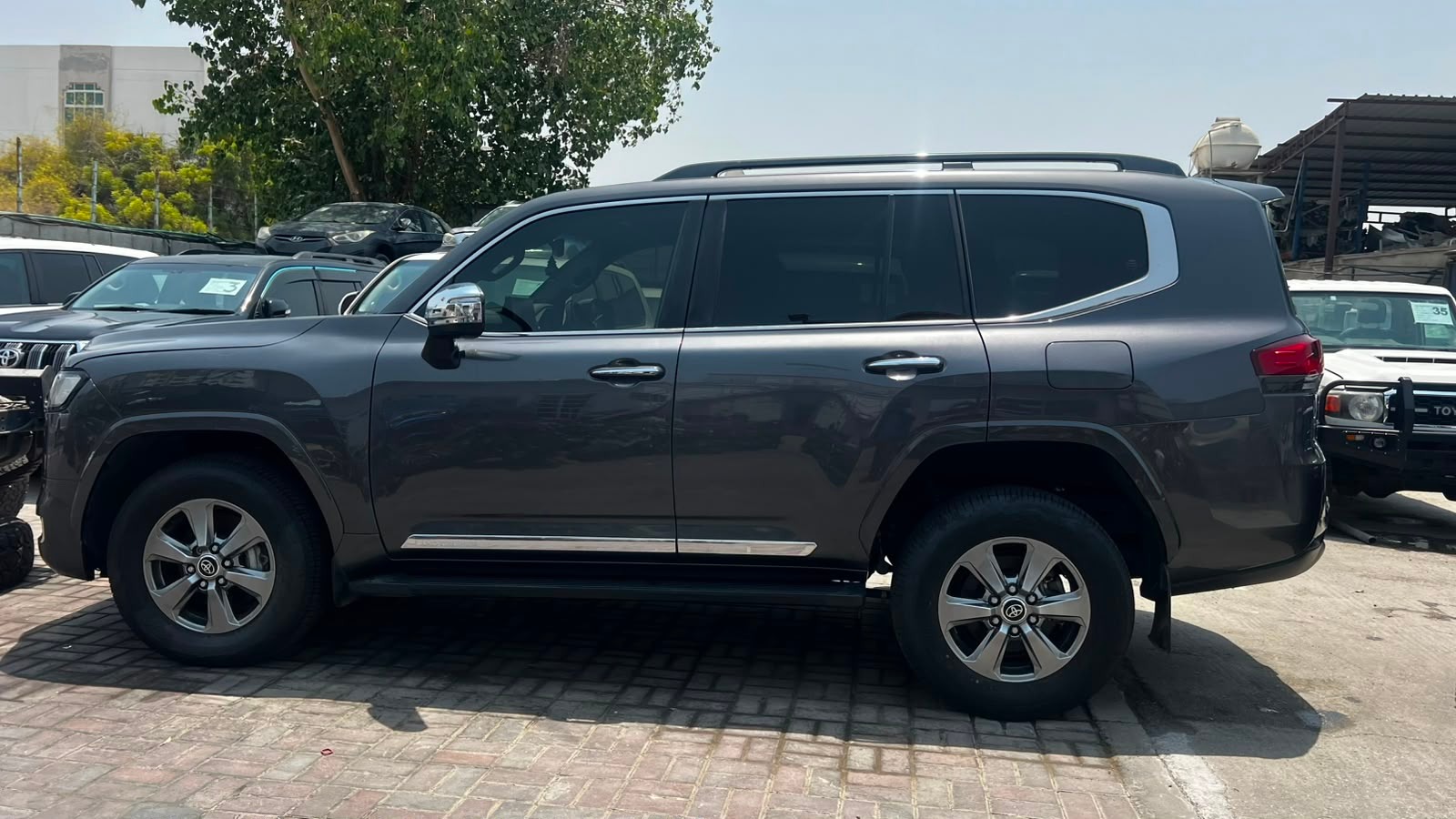
Choosing the right vehicle for an African market is about much more than finding the lowest purchase price. Buyers need to consider road conditions, fuel availability, maintenance costs, spare parts, resale value, driving regulations, passenger requirements, and the intended use of the vehicle.
This is one reason Dubai has become an important sourcing destination for African vehicle buyers. The market provides access to a broad selection of new and used vehicles, including SUVs, pickups, sedans, commercial vehicles, and other models suitable for different applications. Al Hamd Motors specializes in exporting vehicles from the UAE to African and other international markets, with a particular focus on right-hand-drive vehicles.
For an importer, however, having many choices can make the purchasing decision more difficult. The best vehicle for a city-based family may not be the best option for a construction company, rural business, transport operator, or safari company.
Understanding what to look for can help African buyers make a more practical and financially sound decision.
1. Start With the Purpose of the Vehicle
The first question every importer should ask is simple: What will the vehicle be used for?
A vehicle intended for personal transportation has different requirements from one purchased for commercial operations.
For example, a business operating in construction or agriculture may need a durable pickup with strong load-carrying capability. A family may prioritize comfort, safety, fuel economy, and interior space. A transportation company may require a van capable of carrying passengers every day.
Common applications include:
- Personal and family transportation
- Construction
- Agriculture
- Mining
- Logistics
- Passenger transportation
- Tourism
- Government operations
- NGO and humanitarian work
- Fleet operations
- Car dealership resale
Defining the purpose before searching the Dubai vehicle market makes it easier to narrow down suitable options.
2. Consider African Road Conditions
Road conditions differ considerably between African countries and even between urban and rural areas within the same country.
Some vehicles will spend most of their time on paved roads, while others may regularly travel over gravel, dirt, sand, mud, or uneven terrain.
For demanding environments, buyers may want to prioritize:
- Four-wheel drive capability
- Strong suspension
- Good ground clearance
- Durable construction
- Reliable engine performance
- Suitable tire options
- Practical serviceability
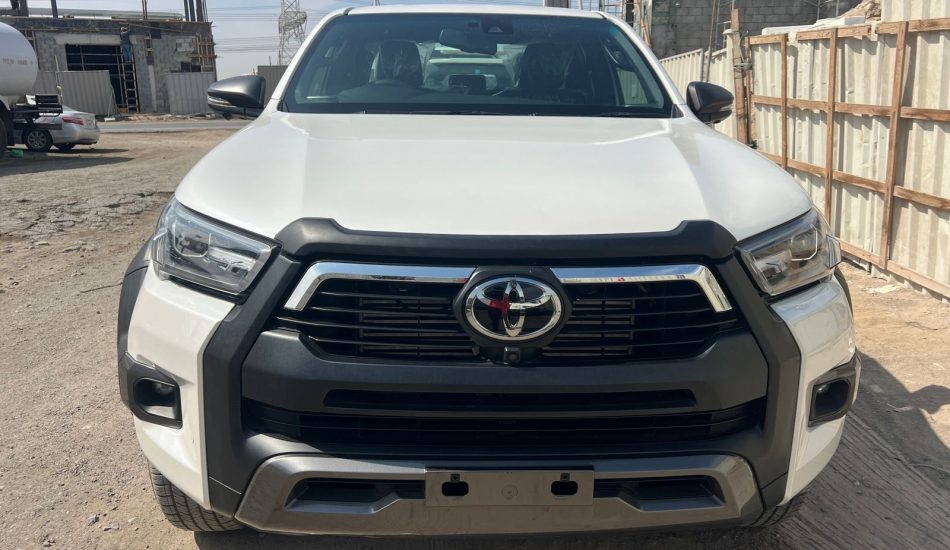
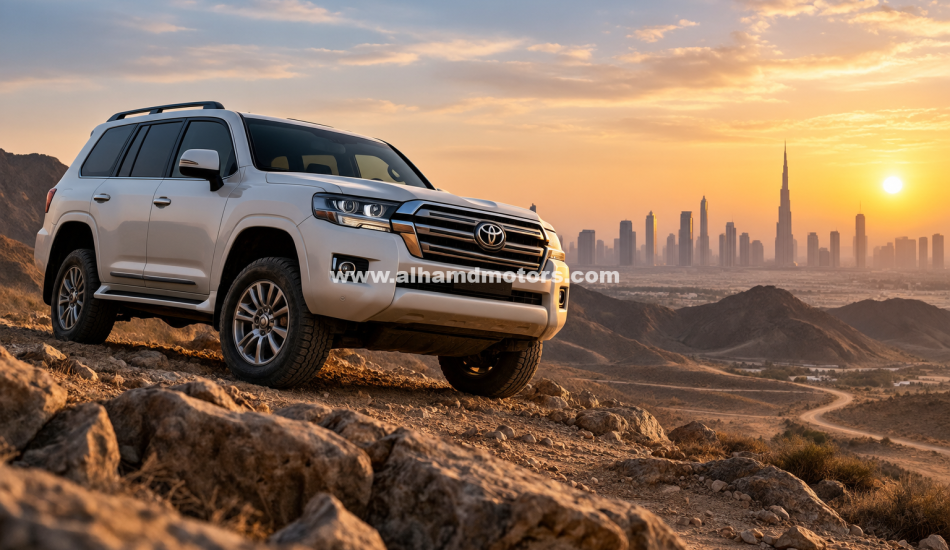
SUVs and pickups such as the Toyota Land Cruiser, Toyota Prado, Toyota Hilux, and similar models are popular choices because they can serve a variety of personal and commercial purposes.
Al Hamd Motors’ current inventory includes multiple Land Cruiser, Prado, Hilux, Ford Ranger, and other SUV and pickup options.
3. Choose the Correct Steering Configuration
Steering position is particularly important when importing a vehicle into Africa.
Several African countries use left-hand traffic, making right-hand-drive vehicles especially relevant to buyers in those markets. However, regulations differ from country to country, so importers should always verify the current requirements applicable to their destination before purchasing.
Al Hamd Motors offers right-hand-drive vehicles and also has selected left-hand-drive inventory, giving international buyers more flexibility when selecting vehicles for their markets.
Choosing the correct configuration before purchase can prevent unnecessary complications later.
4. Think About Fuel Economy
Fuel costs can significantly influence the overall cost of owning a vehicle.
A vehicle that appears inexpensive at the time of purchase may become expensive to operate if it consumes considerably more fuel than an alternative model.
For commercial users, fuel efficiency becomes even more important because vehicles may travel hundreds or thousands of kilometers each month.
When comparing vehicles, consider:
- Engine size
- Fuel type
- Driving conditions
- Expected annual mileage
- Vehicle weight
- Transmission
- Intended workload
The cheapest vehicle to purchase is not necessarily the cheapest vehicle to operate.
5. Check Spare Parts Availability
Before importing a vehicle, buyers should investigate the availability and cost of replacement parts in their country.
Popular international brands can have an advantage because parts and qualified mechanics may be easier to find.
This is particularly important for businesses operating fleets. A vehicle that requires difficult-to-source components can spend unnecessary time off the road.
Toyota and Nissan vehicles are among the brands commonly sought by African importers, and Al Hamd Motors specializes in exporting Toyota and Nissan vehicles alongside other manufacturers.
6. Consider Resale Value
Resale value is another important consideration for African importers.
If you plan to sell the vehicle after several years, choosing a model with established demand can make the process easier.
Vehicles with strong resale potential often benefit from:
- Brand recognition
- Reliable mechanical performance
- Accessible spare parts
- Strong market demand
- Reasonable maintenance costs
- Suitable specifications for local conditions
This is especially important for dealers purchasing multiple vehicles from Dubai.
The right inventory can help a dealership attract customers while reducing the risk of holding vehicles for long periods.
7. Inspect the Vehicle Before Export
A vehicle may look excellent in photographs but still require a detailed inspection before purchase.
Importers should review important information such as:
- Mileage
- Engine condition
- Transmission condition
- Exterior condition
- Interior condition
- Tire condition
- Service history where available
- Accident history where available
- Vehicle identification information
- Mechanical inspection results
A professional exporter can help buyers understand the vehicle’s condition before shipping.
Al Hamd Motors states that its export process includes vehicle inspection and quality assurance before vehicles are shipped to customers.
8. Calculate the Complete Import Cost
One of the most common mistakes new importers make is looking only at the vehicle’s purchase price.
The actual cost can include several additional expenses.
Depending on the destination, buyers may need to consider:
- Vehicle purchase price
- Export documentation
- Inspection charges
- Inland transportation
- Ocean freight
- Port charges
- Customs duties
- Taxes
- Clearing fees
- Registration costs
- Local transportation
Calculating the estimated landed cost before confirming an order provides a much clearer picture of whether the vehicle represents good value.
9. Choose the Right Shipping Method
Vehicle shipping is another important part of international purchasing.
Depending on the vehicle, destination, quantity, and buyer’s requirements, shipping may involve options such as Roll-on/Roll-off or container transportation.
The most suitable option depends on factors including:
- Destination port
- Vehicle type
- Number of vehicles
- Vehicle value
- Budget
- Required protection
An experienced exporter can help buyers understand which shipping solution is appropriate for their particular order.
Al Hamd Motors provides export documentation and ocean freight support as part of its vehicle export services.
10. Understand Your Local Import Regulations
Every African country can have its own rules concerning imported vehicles.
Requirements may relate to:
- Vehicle age
- Steering configuration
- Emissions
- Roadworthiness
- Customs valuation
- Import duties
- Documentation
- Inspection
- Registration
These rules can change, so importers should confirm the current requirements with the appropriate authorities or qualified local customs professionals before purchasing.
This is especially important when importing vehicles in large quantities.
Popular Vehicle Categories for African Buyers
Different vehicle categories serve different purposes.
SUVs
SUVs are suitable for families, executives, tourism companies, organizations, and buyers who need a combination of comfort and capability.
Popular examples include the Toyota Land Cruiser and Toyota Prado.
Pickup Trucks
Pickups are particularly useful for agriculture, construction, logistics, and businesses that regularly transport equipment or goods.
The Toyota Hilux and Ford Ranger are examples of models currently represented in Al Hamd Motors’ inventory.
Passenger Vans
Vans can be valuable for schools, hotels, tourism companies, transportation businesses, and organizations that regularly move groups of passengers.
Sedans and Hatchbacks
For urban customers, smaller cars can provide practical transportation while offering lower operating costs than larger SUVs.
Why Source Export Vehicles From Dubai?
Dubai’s automotive market gives international buyers access to a broad selection of vehicles in one location. Its established logistics infrastructure also makes it a practical sourcing point for international vehicle exports.
Al Hamd Motors describes itself as a UAE-based global car trading company with more than 21 years of industry experience, serving dealerships, resellers, fleet buyers, and individual customers across African and other international markets.
For African importers, the combination of vehicle choice, export experience, and international logistics can simplify the sourcing process.
Why Work With Al Hamd Motors?
Selecting a reliable exporter can be just as important as selecting the vehicle itself.
Al Hamd Motors provides support across several stages of the export process, including vehicle sourcing, inspection, export documentation, shipping, and logistics. The company serves both individual buyers and larger commercial customers.
Customers can explore available vehicles online and compare specifications such as model year, mileage, fuel type, transmission, drivetrain, and steering configuration before making an inquiry.
Final Thoughts
The best export vehicle for Africa is not necessarily the newest or most expensive model. It is the vehicle that matches the buyer’s market, road conditions, budget, operating requirements, maintenance expectations, and local regulations.
By considering the vehicle’s purpose, steering configuration, fuel consumption, durability, spare parts availability, resale value, inspection results, shipping costs, and import requirements, African buyers can make more informed purchasing decisions.
Dubai provides access to a diverse international vehicle market, while experienced exporters such as Al Hamd Motors can help simplify sourcing and shipping. For buyers searching for reliable export vehicles from Dubai to Africa, taking the time to select the right vehicle can make a significant difference to long-term ownership and business value.